When you type “siding near me” into a search engine, you’re looking for a quick, reliable way to improve your home’s curb appeal, protect it from the elements, and possibly lower energy bills—all without endless research or costly missteps. The fastest route is to connect with reputable local siding contractors who can assess your project, recommend affordable siding options, and handle the installation from start to finish. In fact, a well‑chosen exterior makeover can boost resale value by up to 8 % according to the 2026 National Home Improvement Survey NHISA 2026. For a deeper dive into material choices, the Home Siding Guide 2026 breaks down performance, cost, and longevity.
Why “Siding Near Me” Is More Than a Simple Search
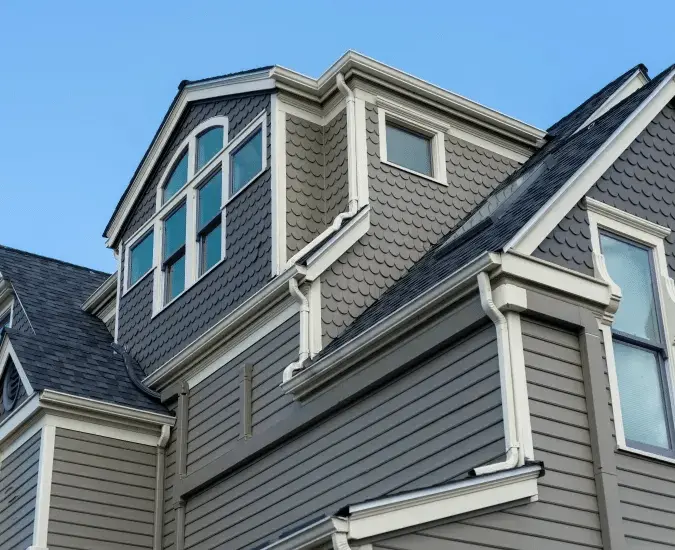
Local searches filter out distant suppliers, giving you access to installers who understand regional climate challenges—whether that’s the salty air of coastal towns or the freeze‑thaw cycles of the Midwest. Proximity also translates into faster response times for quotes, site visits, and post‑installation service, which is crucial when you’re balancing a home exterior renovation with a busy schedule.
Key Benefits of Choosing Nearby Professionals
- Knowledge of local building codes: Contractors stay current on permitting requirements, saving you from costly re‑work.
- Reduced transportation costs: Lower material freight fees often pass on savings to the homeowner.
- Quick warranty support: If a seam lifts or a panel cracks, a local crew can be on site within days.
Real‑World Case Study: A Suburban Home’s Transformation
Last summer, the Ramirez family in Austin, Texas, contacted a “siding near me” service after noticing peeling vinyl and rising heating bills. After a free on‑site evaluation, the contractor recommended a fiber‑cement siding system with an integrated weather‑resistant barrier. The project cost $12,800, including removal of the old vinyl, installation, and a 20‑year warranty. Within six months, the family reported a 15 % drop in energy consumption—attributable to the new siding’s superior insulation and airtight sealing.
Table of Contents
- Why “Siding Near Me” Is More Than a Simple Search
- Key Benefits of Choosing Nearby Professionals
- Real‑World Case Study: A Suburban Home’s Transformation
- 2026 Data & Statistics: What the Numbers Say
- Step‑by‑Step Guide to Finding the Right Siding Near You
- 1. Define Your Goals
- 2. Research Local Contractors
- 3. Request Detailed Estimates
- 4. Verify Warranty & After‑Care Policies
- 5. Schedule the Installation
- Common Mistakes Homeowners Make When Searching “Siding Near Me”
- FAQ: Quick Answers to the Most Common “Siding Near Me” Queries
- What is the average timeframe for a full siding replacement?
- Can I install siding myself to save money?
- How do I know which material offers the best energy efficiency?
- Is “siding near me” relevant for commercial properties?
- Future Trends: What’s Next for Siding in 2027 and Beyond?
- Take Action Today
For a deeper look at fiber‑cement alternatives, the LP SmartSide Explained guide details performance metrics and long‑term maintenance tips.
2026 Data & Statistics: What the Numbers Say
According to the 2026 Home Builders Association (HBA) market analysis, the average siding installation cost rose only 2 % from 2025, despite material price fluctuations. The report highlights that:
- 68 % of homeowners prioritize energy‑efficient siding when budgeting.
- 32 % of projects used local contractors sourced via “near me” queries.
- The median lifespan of vinyl siding reached 40 years, while fiber‑cement now averages 50 years.
These trends underscore the growing importance of combining affordability with performance—exactly the balance that “affordable siding options” and “energy‑efficient siding” aim to achieve.
Step‑by‑Step Guide to Finding the Right Siding Near You
1. Define Your Goals
Are you after curb appeal, durability, or energy savings? Knowing the primary driver helps narrow material choices—vinyl for budget, fiber‑cement for longevity, or insulated metal panels for eco‑friendly projects.
2. Research Local Contractors
Start with Google Maps or local directories, then cross‑check each business on the Find the Best Siding Installers Near Me – 2026 Expert Guide. Look for:
- Licensing and insurance verification.
- Customer reviews dated within the last 12 months.
- Portfolio photos that match your desired style.
3. Request Detailed Estimates
Ask for a line‑item quote that separates material costs, labor, disposal, and any additional services like trim replacement. Transparent pricing helps you compare “siding installation cost” across multiple proposals.
4. Verify Warranty & After‑Care Policies
Top manufacturers such as CertainTeed and James Hardie offer warranties up to 30 years, but they’re only valid when installed by certified contractors. Confirm that the installer holds the necessary certifications.
5. Schedule the Installation
Plan the work during dry weather windows—most contractors recommend late spring through early fall to avoid rain‑related delays.
Common Mistakes Homeowners Make When Searching “Siding Near Me”
- Choosing the cheapest quote without vetting credentials. Low bids often hide sub‑par materials or unlicensed labor.
- Ignoring climate‑specific performance. Vinyl may crack in extreme cold, while metal can dent in high‑wind zones.
- Skipping a written contract. Verbal agreements can lead to scope creep and hidden fees.
- Overlooking proper preparation. Failure to remove old siding or address underlying rot reduces the lifespan of the new system.
FAQ: Quick Answers to the Most Common “Siding Near Me” Queries
What is the average timeframe for a full siding replacement?
From demolition to final cleanup, most residential projects take 7–10 business days, assuming favorable weather and no unforeseen structural issues.
Can I install siding myself to save money?
DIY installation is possible for experienced handymen, but it voids most manufacturer warranties and can lead to moisture infiltration if not done perfectly. Professional installers guarantee compliance with building codes and warranty eligibility.
How do I know which material offers the best energy efficiency?
Insulated vinyl and fiber‑cement panels with a built‑in foam core provide R‑values between 3.5 and 5.0 per inch, outperforming traditional wood lap siding (R‑value ≈ 0.6). Look for ENERGY STAR‑rated products for the highest savings.
Is “siding near me” relevant for commercial properties?
Absolutely. Commercial facades benefit from the same local expertise, especially when dealing with larger surface areas and stricter fire‑rating codes. Many of the contractors featured in the Top 2026 Guide to Choosing the Right Siding Companies specialize in both residential and commercial projects.
Future Trends: What’s Next for Siding in 2027 and Beyond?
Industry analysts from the International Association of Home Builders (IAHB) predict a surge in bio‑based composite sidings that combine recycled wood fibers with biodegradable resins, delivering a carbon‑negative footprint without sacrificing durability. Additionally, smart‑siding technologies—integrated sensors that monitor moisture, temperature, and structural movement—are set to enter the mainstream market by 2028, allowing homeowners to receive real‑time maintenance alerts via smartphone apps.
Take Action Today
Ready to turn “siding near me” into a concrete plan? Start by compiling a shortlist of local contractors, request detailed estimates, and compare them against the criteria outlined above. By aligning your project with reputable installers, you’ll secure a home exterior that looks great, performs efficiently, and stands the test of time.
For more guidance on selecting the ideal material, explore the Board and Batten Siding 2026 guide, and for broader renovation ideas, the Office Interior Design Mastery 2026 article offers insights on complementary interior upgrades that harmonize with your new exterior.
